Homes aren't sterilized spaces. Cooking areas have knives and hot pans, washrooms get slippery, children explore gravity, older relatives browse staircases, and power tools occasionally kick back. Most cases continue to be minor, but periodically you encounter a minute where minutes matter and reluctance costs more than the rescue experience. A strong first aid course builds the judgment and muscular tissue memory to act in those first crucial minutes. That skill set is not abstract. It changes exactly how you equip your cabinet, how you speak with your family members regarding emergency situations, and what you do when someone goes quiet on the floor.

What modifications when you have actually been trained
The initial shift is inner. After structured first aid training, you approach emergency situations the method a skilled chauffeur handles a skid: constant hands, clear priorities, and intends that fit the roadway. You take in an easy pattern, analyze danger to you and the individual, phone call for aid early, begin one of the most lifesaving steps first, then treat what you can while watching for change. It is not blowing. It is a practiced regimen that maintains panic out and oxygen in.
I have seen moms and dads that took a weekend break first aid and CPR course change the energy in an area. A young child started choking on a grape, and the moms and dad did not howl or slap. They stood, knelt, offered company back strikes at the best angle, and removed the respiratory tract in seconds. The difference was one night of experiment a fitness instructor that fixed hand positioning and pressure. That is the value: not general knowledge, however proper strategy under pressure.
Why the home is the vital training ground
Ambulance feedback times vary. In dense areas you might see paramedics in 6 to 9 mins on a dangerous telephone call. In residential areas the variety runs 8 to 12. Backwoods can stretch to 15 or even more. Brain cells start to endure significant injury from absence of oxygen around the four to six minute mark. Out-of-hospital heart attack survival depends on instant acknowledgment and timely CPR, and every minute without breast compressions reduces the opportunity of survival by roughly 7 to 10 percent until defibrillation.
You can not popular first aid courses near me rely upon proximity to a health center if your enjoyed one falls down after supper, is stung by a bee and swells, or slips on a bathroom mat and loses consciousness. A qualified family members is a practical buffer in between an emergency situation and the specialists. Your actions do not change paramedics. They acquire time and maintain damages from compounding prior to assistance arrives.
What a modern first aid and CPR course covers
A detailed first aid and CPR course does greater than tick a certification box. Good programs integrate up-to-date clinical guidelines with hands-on method on grown-up and kid manikins, situation drills, and responses on rate and deepness. At a minimum, expect to discover:
- Recognizing life dangers and making use of the chain of survival, consisting of calling emergency services swiftly and bring an AED if available. CPR for grownups, youngsters, and infants, with compressions that are deep sufficient, fast enough, and appropriately situated, and rescue breaths or hands-only techniques depending on the scenario and your training. Relief of choking with back strikes and stomach thrusts, plus adjustments for infants, pregnancy, and larger bodies. Bleeding control making use of straight stress, injury packing, and tourniquet application when blood loss is severe and not controlled otherwise. Basic care for burns, fractures, strains, and spine problems, including when not to move someone. Recognizing stroke, cardiovascular disease, and diabetic person emergency situations, and what to do in the initial minutes. Allergic responses and anaphylaxis with epinephrine auto-injector use and repeat application advice if signs recur while awaiting EMS. Seizure first aid, including risk-free positioning and what not to do. Heat disease and hypothermia first aid, plus dehydration and electrolyte considerations.
Different providers bundle material in various methods. Some call it a first aid and CPR course. Others provide stand-alone CPR courses, AED programs, and components for innovative bleeding control. A cpr correspondence course is useful within a year or more due to the fact that hand placement, compression deepness, and series information drift if you do not practice.
If you operate in a controlled setup, child care or specific offices, you may additionally need a first aid certificate with documented call hours and assessment. Also for households, a certification from a recognized provider helps encourage normal refreshers and gives proof for neighborhood volunteering.
The actual difference in between reading and training
Many people see an on-line video and really feel prepared. Video clips assist, yet they slide over comments and correction, which is where negative practices get repaired. In course, instructors make use of clicker manikins that determine compression deepness and recoil, and they make you feel the distinction between company and inefficient pressure. You will certainly attempt back blows first aid certificate Rockhampton on a training infant manikin and recognize just how much pressure it requires useful without being careless. That tactile memory is difficult to amass from a screen.
I have actually seen otherwise confident adults ice up at the first blush of blood. A staged circumstance in an excellent first aid course brings your heart rate up and gives you a safe place to discover how to think through adrenaline. You learn to speak aloud, "I am using straight pressure. You, call emergency situation solutions. You, bring the first aid kit," which assists structure the scene and hires help quick. Practice rounds that language into habit.
Tailoring your first aid skills to your household
Households vary. A solo apartment dweller with a background of collapsing needs a strategy that emphasizes personal security and fast accessibility to neighbors or constructing staff. A family with a child with bronchial asthma need to train to supply inhaler spacers effectively and detect the very early indications of distress. If you cope with an older grownup, you must find out just how to take care of drops, head injuries on blood slimmers, and stroke recognition.
Map the threats you actually deal with. Do you spend weekends with a chainsaw? Focus on bleeding control and calling for assistance from remote locations. Do you keep bees, trek, or have a known severe allergic reaction at home? Supply and exercise with epinephrine auto-injectors. Do you prepare for a young child? Method choking relief for infants and youngsters, and reduced foods to minimize danger. A first aid pro can assist you equate basic training into your specific context.
What to maintain home, and what not to trouble with
Kits balloon because people like devices. Keep the concentrate on items that resolve the initial 10 minutes which match your training. Pointless gear clutters a bag and hides the tools you need.
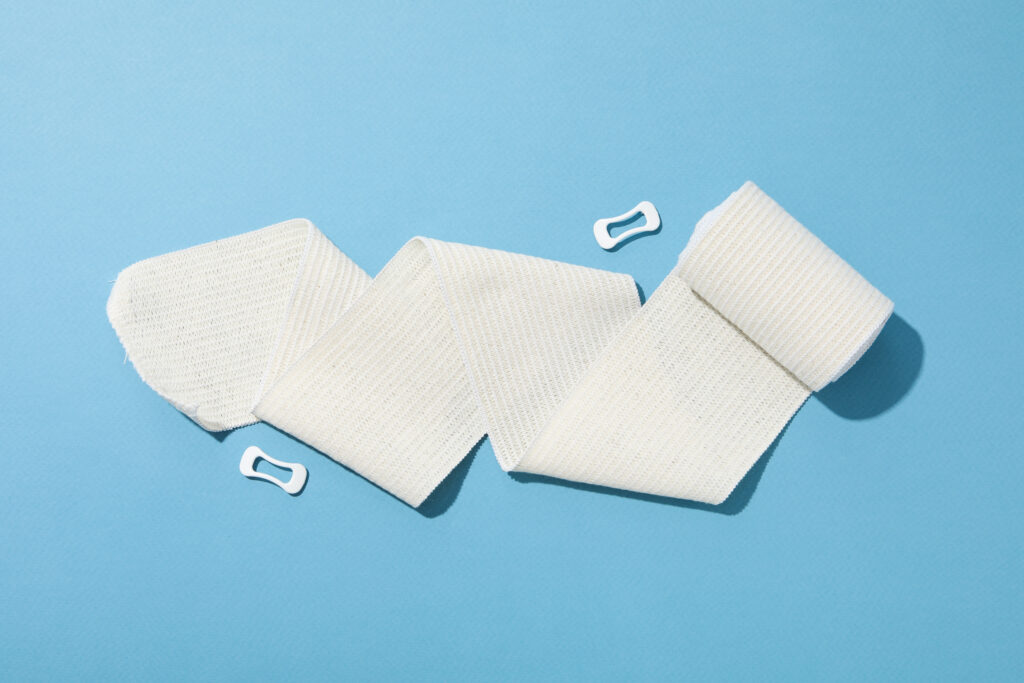
- Protective gear you will in fact put on: nitrile handwear covers in multiple dimensions and a CPR face shield or mask for rescue breathing if you are educated to give breaths. Bleeding control: assorted clean and sterile gauze pads, two flexible or triangular bandages, a stress bandage, and a minimum of one commercial tourniquet if you are trained. Add a roll of natural wrap. Include a permanent pen to note the moment a tourniquet was applied. Medications you already recognize just how to make use of: kid and grown-up acetaminophen or advil with dosing information, antihistamines, and an epinephrine auto-injector if prescribed. Maintain them unexpired and stored as directed. Burn care: tidy trendy running water is first-line. In the set, maintain non-adherent dressings and a clean plastic wrap for shallow burns after cooling. Tools: blunt-tip trauma shears that reduced apparel and tape, an electronic thermostat, tweezers, a small flashlight or headlamp, and extra batteries.
Avoid stockpiling tablets you do not recognize exactly how to use, herbal mixtures with unverified advantage, and tourniquet substitutes that can not be used reliably under stress. Focus on training matched to equipment. A small, well-labeled bag beats a duffel full of things you can not locate when your hands shake.
What CPR training adds for families
CPR deserves its own emphasis. The majority of heart attacks at home take place in rooms and living spaces, usually unwitnessed up until breathing changes or stops. Effective upper body compressions keep blood relocating to the brain and heart until a defibrillator can shock a survivable rhythm. Without compressions, a shock might do little.
A great cpr course will implement three non-negotiables: press hard enough, at a price of 100 to 120 per min, and allow the chest recoil fully. It also educates you to minimize stops briefly. Those are the details that stick when a metronome track from course starts to resemble in your mind. Incorporate that with very early activation of emergency services and very early use an AED if one remains in your structure or community.
Families sometimes worry about doing harm. Broken ribs can happen, especially in older grownups, and that threat is acceptable if the individual has no pulse and is not breathing typically. The alternative is no circulation at all. An uncomplicated cpr refresher course annually assists maintain your touch adjusted and your confidence intact.
Children, babies, and the specifics that matter
Children are not smaller adults. Their composition and the nature of emergencies vary. Babies choke more often due to the fact that they check out the world with their mouths, and their respiratory tracts are narrow. Pediatric training courses show 5 back impacts and 5 upper body drives for infants, with cautious head assistance and a setting that uses gravity. For older youngsters you change to stomach drives once they are big enough, and you take care not to encircle the ribcage as well high.
Parents likewise learn exactly how to handle fever without overmedicating, to identify dehydration in a toddler with vomiting, and to react to seizures without trying to restrain or position objects in the mouth. Real first aid courses show you just how to position a kid after a seizure to safeguard their airway and when to call for help based upon duration, new event, or breathing changes.
Older adults and typical home emergencies
Falls, medication mistakes, strokes, and cardiac events control in older populaces. Educating sharpens 2 things below: very early recognition and secure handling. You discover to inquire about blood slimmers after a head injury, even a small one, and to promote medical examination when the risk of interior blood loss is nontrivial. You practice using a stride belt or sheet to help somebody up without pulling on their arms or neck. You practice the FAST look for stroke, expecting facial droop, arm weak point, and speech trouble, after that you call emergency solutions with an exact time of symptom onset.
Managing persistent conditions likewise benefits from first aid understanding. If a diabetic person relative is confused and perspiring, you deal with hypoglycemia with quick sugar they can ingest safely, after that follow with longer-acting carbohydrates. If they are unresponsive, you call for help. Educating gives you the border lines in between home care and emergencies.
Building a house plan around your training
Skills matter a lot more when the entire home knows the script. Produce a short, written strategy that addresses 3 concerns: who calls for help, where the package and AED (if you have one) are maintained, and exactly how to unlock for responders if everybody is in the rear of your house. Exercise an easy drill twice a year. It takes 5 https://ameblo.jp/cesarxudm033/entry-12958720040.html minutes and makes a substantial difference.
Label the first aid package clearly and keep it where guests can find it, not hidden in a wardrobe behind holiday lights. If you stay in a multi-level home, consider a 2nd tiny pouch upstairs. Educate older kids to bring the package and to know your address in situation they need to call. If you maintain an epinephrine auto-injector, show household and friends where it lives and exactly how to use the instructor. Add pertinent medical info on the fridge or in your phone's emergency info function, including allergic reactions and crucial medications.
Choosing a provider and a style that actually works
The finest first aid courses feel active. You must be up, relocating, compressing, rolling somebody into recovery placement, and repeating up until you feel the method in your bones. When contrasting first aid courses and cpr training choices, look for:

- Hands-on time with manikins that supply responses on compression depth and recoil, plus baby and kid components if you have kids in your life. Instructors who want to remedy you and describe why, not simply run a slide deck. Content that matches your setup, with hemorrhaging control, anaphylaxis, and AED make use of included. A first aid certificate acknowledged by employers or community organizations if you need documentation. A cpr refresher course pathway so you can keep abilities current without taking a full class each time.
Hybrid formats, with online concept and brief in-person abilities sessions, can work well for active families. Purely on the internet CPR that never ever puts you on a manikin is much less effective, especially for newbie learners. If price is an obstacle, ask about area programs, employer sponsorship, or neighborhood associations that bring a fitness instructor on site for a team rate.
Costs, time, and the worth calculus
A combined first aid and CPR course generally takes 4 to 8 hours, depending on scope and the carrier's pacing. Costs differ by area and certification body. Expect a variety that approximately matches a night out for two at a midrange restaurant. Refreshers take less money and time. If you break it down over both years many certifications stay current, the annual price sits well listed below most membership services people maintain without thinking.
Measure the investment against the danger you are transferring. You insure your home against fire you will likely never see. A first aid and cpr course insures individuals inside the home against occasions you will absolutely experience, from small cuts to severe emergencies, with a hefty payment in capability.
Common myths that maintain people from training
Three misunderstandings show up over and over.
First, "I will fail to remember whatever." You will certainly neglect details you do not make use of, which is why a short refresher matters. The core pattern, securing on your own, calling early, beginning the most important intervention, and reassessing, sticks. Muscle memory from compressions and choking relief sticks around better than you think.
Second, "I could obtain taken legal action against." In several locations, Good Samaritan laws safeguard lay rescuers that act in excellent faith and within the extent of their training. Inspect your local policies, but do not let an obscure lawful worry exceed the moral and functional critical to help.
Third, "I will certainly make it worse." Doing nothing throughout heart attack or extreme bleeding ensures an even worse end result. Training narrows the range of blunders and shows you when to quit, when not to move someone, and just how to turn over to professionals cleanly.
The moments that matter
A dad once told me concerning locating his adolescent kid less competent after a swim fulfill. Chlorine and warmth had actually pushed a marginal heart rhythm over the edge. The dad's voice trembled as he stated his hands falling into the exact same tempo he had actually practiced a loads times: heel of the hand, facility of the chest, count to 30, supply breaths, repeat. An onlooker went to get hold of the school's AED. The first shock functioned. The child took place to have a heart analysis and a plan. That household sends out a message suggestion yearly to pals to reserve a class.
I have comparable memories that finish more silently. A grandmother fell and struck her head on a coffee table. The family, educated the month prior, maintained her still, viewed her breathing, and withstood the urge to help her stroll it off. She was on anticoagulants. The check at the health center found a hemorrhage that would certainly have aggravated if she had actually been relocated carelessly. Sometimes first aid is restraint combined with vigilance.
At home, with people you like, training turns fear right into a strategy. It reduces the range between alarm system and action. It likewise changes your day-to-day practices in subtle means. You cut grapes lengthwise for little kids, you mount far better lights on stairs, you check medicine interactions, and you maintain a charged phone nearby when older loved ones shower. That is prevention birthed of capability, not paranoia.
Keeping skills alive
Skills decay is actual. The solution is easy. Put 2 days on your calendar each year. On the very first, do a 20-minute family drill. Testimonial where the package lives, practice the recuperation setting on an eager volunteer, and go through the actions for choking on air just. On the second, publication a refresher. A cpr refresher course will certainly recalibrate your compression deepness and rate and update you on guideline modifications. Numerous service providers currently use micro-sessions that slot into a weeknight.
Small practices maintain understanding from fading. When you attend an institution play or a sporting activities occasion, note where the AED rests. When guests come, allow them recognize where your first aid kit lives, the means you would certainly discuss the washroom. If a good friend discusses a bee allergy, ask if they lug epinephrine and if their auto-injector is present. These little acts stabilize readiness and make your home more secure for every person who visits.
Turning intent right into action
If you have reviewed this far, you likely know a training gap you intend to close. Pick a reputable service provider, block an early morning or afternoon, and take the course that covers first aid and cpr with each other. If you currently hold a first aid certificate that is nearing expiry, timetable a refresher course prior to it expires, so your revival is smoother and you keep connection. Recruit a next-door neighbor or a family member to join; learning together enhances responsibility and spreads out capability throughout households.
After the training course, adapt your kit to match what you discovered. Label it. Store it where it serves. Then instruct the layout to individuals who share your home. Emergency situations reward the prepared, and preparation begins with qualified hands, not a storage room filled with gear.
The goal is not to become a hero. It is to be a calmness, qualified human at the appropriate moment. A first aid course offers you that side. CPR training seals it when a heart stops. With each other, they make your home the sort of place where poor days are met clear eyes and consistent hands.